

The Importance of Sealing Entry Points in Pest Control. No homeowner wants to discover ants marching across the kitchen counter, hear scratching noises in the walls, or find evidence of rodents in the garage. While many people focus on eliminating pests after they appear, one of the most effective ways to protect your home is to stop them from getting inside in the first place.
That’s where pest exclusion comes in. By identifying and sealing small cracks, gaps, and openings around your home, you can significantly reduce the chances of unwanted insects and rodents finding their way indoors. Exclusion is a long-term pest prevention strategy that helps keep your home protected year-round while reducing the need for repeated treatments.
If you’re looking for a proactive way to prevent infestations, learning how to seal entry points pests use is one of the smartest investments you can make.
What Is Pest Exclusion?
Pest exclusion is the practice of preventing pests from entering your home by sealing the openings they use to gain access. Instead of simply treating an infestation after it begins, exclusion focuses on stopping the problem before it starts.
Think of your home as a fortress. Even the strongest walls won’t keep pests out if there are gaps around doors, cracks in the foundation, or openings where utility lines enter the house. These seemingly minor issues can become welcome entrances for insects, spiders, and rodents.
Pest exclusion offers several important benefits:
- Prevents pests before they become a problem
- Reduces recurring infestations
- Lowers the need for chemical treatments
- Saves money on future pest control services
- Protects your home from pest-related damage
When combined with regular pest control services, exclusion provides one of the most effective long-term solutions for protecting your home.

Tiny Openings Can Lead to Big Problems
Many homeowners are surprised to learn just how little space pests need to enter a home.
Ants can squeeze through cracks that are barely visible to the human eye. Cockroaches flatten their bodies to crawl through narrow gaps around doors and pipes. Spiders often follow other insects inside, taking advantage of existing openings.
Rodents are even more impressive, and concerning. A mouse can fit through a hole about the size of a dime, while a rat only needs an opening about the size of a quarter. Once inside, rodents can chew wiring, contaminate food, damage insulation, and create expensive repairs.
These small entry points often go unnoticed because they’re hidden behind landscaping, beneath siding, around utility lines, or inside crawl spaces. That’s why a careful inspection is so important.
Common Entry Points Around Your Home
Understanding where pests typically enter can help you identify areas that need attention.
Doors and Windows
Over time, weather stripping wears out, door sweeps become damaged, and window frames can develop small gaps. These openings may seem insignificant, but they create easy access for ants, spiders, cockroaches, and other crawling insects.
Inspect doors and windows regularly and replace damaged seals to keep pests outside where they belong.
Utility Penetrations
Every pipe, electrical conduit, HVAC line, cable, or gas line entering your home creates a potential opening. If these penetrations aren’t properly sealed, pests can use them as direct pathways indoors.
Look for gaps around:
- Plumbing pipes
- Electrical wiring
- Air conditioning lines
- Cable and internet connections
- Gas lines
Properly sealing these areas helps eliminate one of the most common pest entry routes.

Foundation Cracks and Exterior Walls
As homes settle, small cracks naturally develop in foundations, brick, mortar joints, and siding. While these cracks may seem harmless, they’re ideal access points for insects and even small rodents.
Inspect your home’s exterior several times a year for new cracks and seal them before they become larger problems.
Roof and Attic Areas
Many homeowners focus on ground-level entry points but forget to inspect the roof.
Damaged shingles, gaps around roof vents, loose soffits, chimneys, and deteriorating fascia boards all create opportunities for pests to enter attics.
Once pests establish themselves in an attic, they often spread throughout the rest of the home.
Garage Doors
Garages are one of the most overlooked areas for pest proofing home efforts.
Damaged door seals, uneven concrete, and gaps beneath garage doors allow insects, rodents, and other pests easy access. Since garages often contain stored boxes, pet food, or clutter, they provide excellent shelter once pests get inside.
Replacing worn garage door seals is an inexpensive improvement that can make a significant difference.
Common Pests That Use Entry Points
Nearly every household pest takes advantage of structural gaps to enter homes.
Ants
Ants are constantly searching for food and water. Once a scout ant finds a way inside, it leaves behind a scent trail that attracts the rest of the colony. Even the smallest crack can become a busy highway for ants.
Cockroaches
Cockroaches prefer dark, protected spaces and often enter through gaps around plumbing or utility lines. Once established, they reproduce quickly and can become difficult to eliminate without professional treatment.
Spiders
While spiders don’t typically invade homes looking for food scraps, they follow their prey. Homes with easy insect access often become attractive habitats for spiders as well.
Rodents
As temperatures cool in the fall and winter, mice and rats actively seek warm, sheltered places to nest. Existing gaps around foundations, garages, crawl spaces, and rooflines provide ideal entry points.
Rodents can also enlarge existing holes by chewing, making small problems much worse over time.
Seasonal Invaders
Certain pests become especially active during seasonal changes. In Georgia, homeowners frequently encounter:
- Stink bugs
- Boxelder bugs
- Asian lady beetles
- Crickets
These insects often gather around windows, doors, siding, and attic spaces as they search for sheltered overwintering locations.
Practical Tips for Pest Proofing Your Home
The good news is that many exclusion improvements are simple, affordable, and highly effective.
Inspect Your Home Regularly
Walk around the exterior of your home at least twice each year. Look carefully for:
- New cracks
- Damaged caulk
- Loose siding
- Gaps around utility lines
- Missing mortar
- Damaged vents
Catching these issues early makes repairs easier and less expensive.
Seal Cracks and Gaps
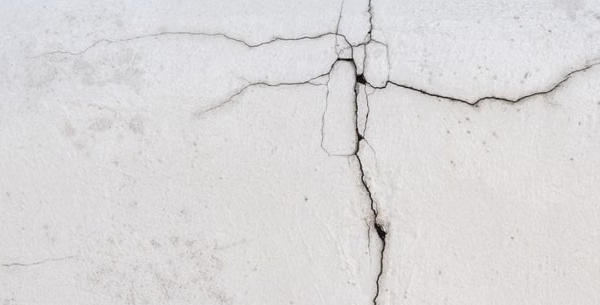
Use high-quality exterior caulk to seal small cracks around windows, doors, trim, and siding. Larger openings may require expanding foam, metal flashing, or professional repairs depending on their size and location.
Replace Worn Weather Stripping
Old weather stripping and damaged door sweeps not only allow pests inside but also waste energy. Replacing these materials improves both pest prevention and energy efficiency.
Repair Damaged Screens
Inspect window screens, crawl space vents, attic vents, and foundation vents for tears or openings. Even small holes can provide easy access for insects.
Maintain Your Landscaping
Vegetation growing against your home creates bridges that pests use to reach your exterior walls.
To reduce pest activity:
- Trim shrubs away from siding.
- Keep tree branches from touching the roof.
- Store firewood away from the home.
- Remove leaf litter and debris.
- Keep mulch several inches away from the foundation whenever possible.
These simple maintenance tasks make your property less attractive to many common pests.
Why Professional Inspections Matter
While homeowners can identify many obvious entry points, some of the most important vulnerabilities are easy to miss.
Professional pest control technicians know exactly where pests are most likely to enter. During a thorough inspection, they can identify hidden gaps around utility penetrations, rooflines, crawl spaces, foundations, and other structural areas that often go unnoticed.
In addition to finding entry points, a professional inspection can uncover moisture problems, wood damage, and other conditions that attract pests before they lead to larger infestations.
Rather than simply treating visible pests, professionals focus on identifying the root causes of recurring problems.
Exclusion Is Most Effective with Ongoing Pest Control
Even the best sealing efforts can’t eliminate every potential entry point forever. Homes naturally expand and contract with changing temperatures, weather can damage seals over time, and new cracks may develop as structures age.
That’s why pest exclusion works best as part of a comprehensive pest management program.
Routine inspections allow professionals to identify new vulnerabilities before pests take advantage of them. Seasonal pest treatments provide an added layer of protection, helping control pest populations around your home while exclusion keeps them from getting inside.
This combination offers homeowners the most reliable long-term protection against unwanted pests.
Protect Your Home Before Pests Move In
The smallest crack can become the beginning of a much bigger pest problem. By investing in pest exclusion, sealing vulnerable openings, and practicing regular pest proofing home maintenance, you can dramatically reduce the risk of unwanted insects and rodents entering your home.
If you’re unsure where pests may be getting in, Contractor’s Best Pest Solutions can help. Our experienced team provides thorough inspections, identifies hidden entry points, and develops customized solutions designed to prevent infestations before they start.
Contact Contractor’s Best Pest Solutions today to schedule a professional inspection and take the first step toward a safer, healthier, and pest-free home.
