
What Attracts Ants to Your Home? Few things are more annoying than spotting a line of ants marching across your kitchen counter. You clean them up, wipe down the area, and think the problem is solved, only to find another trail of ants the next morning.
So, what attracts ants to your home in the first place?
Ants typically enter homes looking for three things: food, water, and shelter. Once they discover a reliable source, they may continue returning to the same location and create established trails between their colony and the resource.
The good news is that understanding what attracts ants can help you take steps toward ant prevention. From keeping food sealed to addressing moisture problems and closing potential entry points, there are several ways to make your home less appealing to these persistent pests.
If you’re dealing with recurring ants in your home, here’s what you need to know.
What Attracts Ants to Your Home?
Ants are constantly searching for resources that help their colonies survive. Your home can provide plenty of those resources, especially when food, moisture, or shelter is readily available.
Food
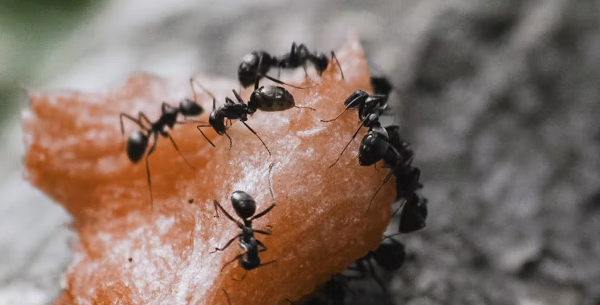
Food is one of the most common reasons ants come indoors. While you might associate ants with obvious spills or piles of crumbs, they can be attracted to surprisingly small amounts of food.
Common food sources include:
- Crumbs on countertops or floors
- Sugary foods and drinks
- Fruit left on counters
- Grease and cooking residue
- Pet food
- Food waste in trash cans
- Sticky spills
- Unsealed food containers
Ants have an impressive ability to locate food. A small crumb that goes unnoticed by a homeowner may be enough to attract a scout ant.
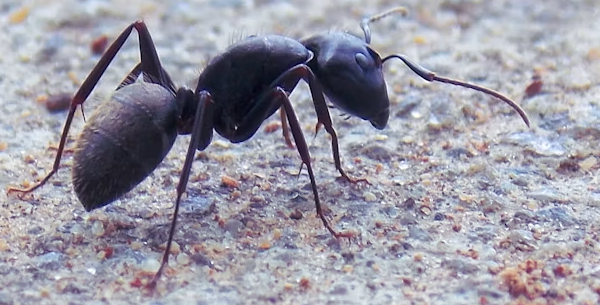
Once a worker ant finds food, it can return to the colony and leave a chemical trail behind. Other ants follow that trail back to the food source, which is why you may suddenly see a steady line of ants appearing in the same area.
Water and Moisture
Food isn’t the only thing attracting ants. Water can be just as important.
Homes provide plenty of potential moisture sources, including leaky pipes, dripping faucets, condensation, and damp areas under sinks. Pet water bowls and standing water around the foundation can also provide accessible sources of moisture.
Pay particular attention to areas such as:
- Under kitchen and bathroom sinks
- Around leaking faucets or pipes
- Near refrigerators and other appliances
- Around air conditioning equipment
- Near pet water bowls
- Damp crawl spaces or basements
- Areas with poor drainage around the foundation
Fixing leaks and reducing unnecessary moisture can make your home less attractive to ants and other household pests.
Shelter
Your home also offers something ants need: protection.
Outdoor conditions can become challenging during periods of heavy rain, extreme heat, or dry weather. When conditions change, ants may search for a more protected environment.
Cracks in foundations, wall voids, spaces beneath floors, and gaps around windows or doors can provide access to sheltered areas.
Some ants may simply enter your home to search for food and water, while others may establish nests in or around the structure.
Why Georgia Homes Can Have Ant Problems
For homeowners in Georgia, ants can be a particularly persistent nuisance. The state’s warm climate provides favorable conditions for many types of ants, allowing them to remain active for much of the year.
Weather can also influence ant activity. Heavy rain may disturb outdoor colonies and cause ants to search for new locations. During hot or dry periods, ants may be drawn to homes where they can find accessible moisture.
This means homeowners may notice ant activity at different times of the year depending on weather conditions and the species involved.
Effective ant control in Georgia often starts with understanding what’s attracting ants to the property and where they’re getting inside.
Common Ways Ants Get Into Your Home
Ants don’t need a large opening to find their way indoors. Tiny cracks and gaps around your home’s exterior can provide convenient entry points.
Cracks and Gaps
Inspect the exterior of your home for:
- Foundation cracks
- Gaps around windows and doors
- Cracks in siding
- Openings around utility lines
- Gaps where different building materials meet
Even small openings can give ants access to the interior.
Doors and Windows
Doors and windows are common access points, particularly when weatherstripping is damaged or gaps develop around frames.
Check for gaps beneath exterior doors, damaged weatherstripping, and torn window screens. Keeping these areas properly sealed can help reduce opportunities for ants to get inside.
Plumbing and Utility Openings
Pipes, electrical lines, cables, and other utilities often enter through the exterior walls of a home. If those openings aren’t properly sealed, they can create pathways for ants.
Take a look around utility penetrations and plumbing connections for visible gaps or cracks.
Landscaping and Vegetation
Your landscaping can also create a bridge between ants and your home.
Branches, vines, shrubs, and other vegetation touching the exterior can provide easy access to siding, windows, and rooflines. Mulch, leaves, wood debris, and other organic material placed directly against the foundation can also create favorable conditions for pests.
Maintaining a small gap between vegetation and the structure can help reduce pest activity around your home.
Signs You May Have an Ant Problem
Seeing one or two ants doesn’t necessarily mean you have a major infestation. However, recurring activity can be a sign that ants have found something they want inside or around your home.
Watch for:
- Repeated trails of ants
- Ants appearing in the same location every day
- Ants around sinks or plumbing fixtures
- Ants near windows or exterior doors
- Ant activity around foundation cracks
- Increasing numbers of ants
- Ants appearing in multiple rooms
- Ants coming from walls, ceilings, or other hidden areas
If you repeatedly clean up ants only to have them return, there’s likely an underlying reason for the activity.
How to Prevent Ants From Coming Back
Good ant prevention involves making your home less attractive and eliminating opportunities for ants to get inside.
Keep Food Sealed and Surfaces Clean
Clean up crumbs and spills as soon as possible. Wipe countertops regularly, especially after preparing food.
Store pantry items in sealed containers and avoid leaving sugary foods or drinks uncovered. Pet food can also attract ants, so don’t leave food sitting out longer than necessary.
Manage Your Trash
Trash cans can provide an easy food source for ants. Keep garbage containers covered and empty indoor trash regularly.
If you recycle food containers, rinse them before placing them in the recycling bin to reduce leftover food residue.
Address Moisture Problems
Repair leaking faucets and pipes and investigate areas that remain damp.
Check beneath sinks periodically for signs of leaks. Make sure gutters and downspouts direct water away from your foundation, and address areas where water tends to collect around the home.
Reducing moisture can help make your property less appealing to ants and other pests.
Seal Potential Entry Points
Inspect your home’s exterior and seal cracks and gaps where practical.
Pay particular attention to areas around:
- Doors and windows
- Pipes
- Utility lines
- Foundation cracks
- Siding
- Vents and other exterior openings
Replacing worn weatherstripping and repairing damaged screens can also help.
Keep Vegetation Away From the House
Trim trees, shrubs, vines, and other vegetation so they don’t touch the structure.
Keep leaves, branches, firewood, and other debris away from the foundation, and avoid creating conditions where soil or mulch remains directly against the home’s exterior.
These simple maintenance steps can reduce opportunities for ants and other pests to reach your home.
Why Killing the Ants You See May Not Solve the Problem
It’s tempting to reach for a household insect spray when you see ants. While eliminating visible ants may provide temporary relief, it doesn’t necessarily address the source of the problem.
The ants you see are often workers searching for food or water. The colony itself may be located outside, beneath the ground, inside a wall void, or in another hidden location.
That’s why recurring ant trails can be frustrating. You may eliminate the ants you see, but if the underlying food source, moisture problem, entry point, or colony remains, more ants may eventually appear.
In some situations, identifying the ant species and understanding where the colony is located are important parts of effective treatment.
When Should You Call a Pest Control Professional?
If ants continue appearing despite your best prevention efforts, it may be time to bring in a professional.
Consider professional pest control in Georgia if:
- Ant activity continues for weeks
- Large numbers of ants are appearing
- Ants are repeatedly entering through the same area
- You can’t determine where they’re coming from
- Ants appear to be coming from walls or other hidden areas
- DIY treatments only provide temporary results
A pest professional can inspect your property, identify potential entry points, determine what may be attracting the ants, and develop a treatment strategy based on the type of ant and the conditions around your home.
Don’t Let Ants Take Over Your Home
Ants don’t randomly choose homes to invade. They’re usually responding to something they need – food, water, or shelter.
Keeping your home clean, addressing moisture problems, sealing cracks and gaps, and maintaining the landscaping around your property can all play a role in ant prevention.
But if ants keep coming back, there’s a good chance there’s more to the problem than the ants you can see.
Contractor’s Best Pest Solutions can help Georgia homeowners identify the source of recurring ant problems and determine the best approach for getting them under control. If you’re tired of finding ants in your home, professional ant control in Georgia can help you take the next step toward a pest-free home.
Contact Contractor’s Best Pest Solutions today to learn more about ant and pest control services for your home.
